


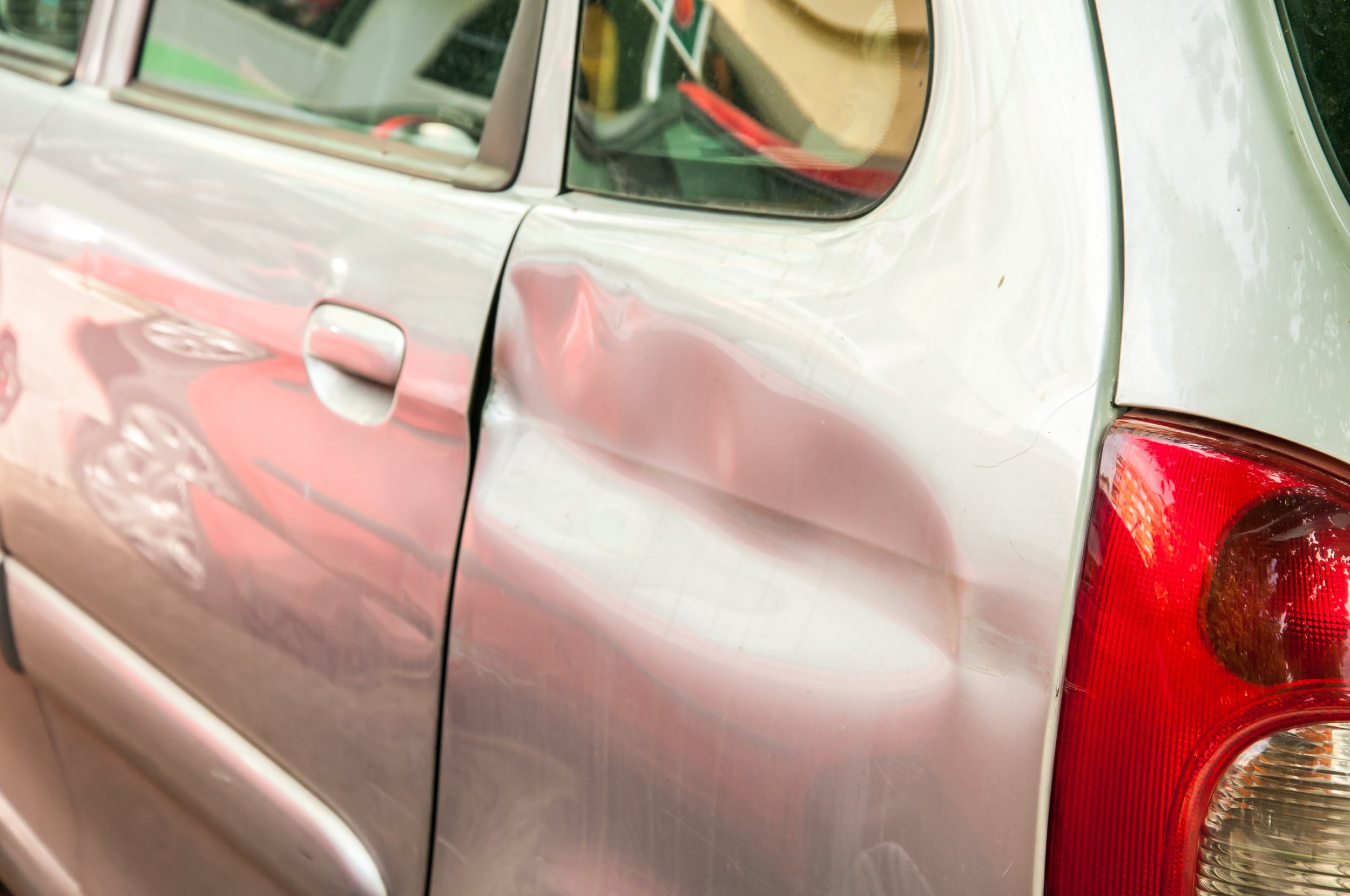


Hail damage can look minor at first, but a closer inspection may reveal more than the visible dents suggest. What initially seems like a few isolated dents may turn out to involve more panels, more complex damage, or areas that require a different repair approach. In this post, we’ll look at what changes when Auto hail repair in Flower Mound uncovers more damage than expected and how that can affect the repair process.
The Repair Scope May Need to Be Reassessed
Finding additional damage on the surface of a vehicle doesn’t mean the vehicle needs a completely different repair. It sometimes means the original assessment needs to be reconsidered based on what’s now visible.
Once this is agreed upon, what follows is additional inspection of panels to determine whether the newly identified damage can be repaired using paintless dent repair or another approach. This ensures that auto hail repair in Flower Mound addresses the full extent of the damage rather than focusing only on what was visible during the initial assessment.
More Damage Can Affect the Repair Timeline
A few additional dents may not change an initially agreed repair timeline, but a larger damage area can be different. Additionally, some repairs require more time because they are in a position that’s a little difficult to reach.
The extent and location of the additional damage can therefore determine whether technicians need to spend more time accessing and repairing affected panels. Once the full extent of the damage is understood, the repair timeline can be adjusted to reflect the actual work involved.
Some Areas May Require a Different Repair Approach
Hail damage is not always consistent across a vehicle. One panel may have shallow dents that are straightforward to repair, while another may have deeper or more complex damage.
The newly discovered damage may therefore require a different technique or, depending on its severity, a different type of repair altogether. A reliable and experienced technician needs to evaluate each affected area rather than assuming the same approach will work everywhere.
The Repair Estimate May Need to Change
When the damage assessment changes, the original estimate may change with it. Additional panels, more extensive damage, or a different repair method can affect the projected cost and scope of work. If insurance is involved, the newly identified damage may also need to be documented and included in the claim.
For auto hail repair in Flower Mound, the important thing is that the repair plan and estimate reflect what the technician actually finds, not what was initially assumed.
Not Sure What the Additional Hail Damage Means for Your Repair?
More damage doesn't always mean a more complicated repair, but it does mean the vehicle needs to be properly assessed. Dynamic Dent can inspect the damage, determine what the repair requires, and help you understand the next step. Contact us today to get your hail damage evaluated.